n=100
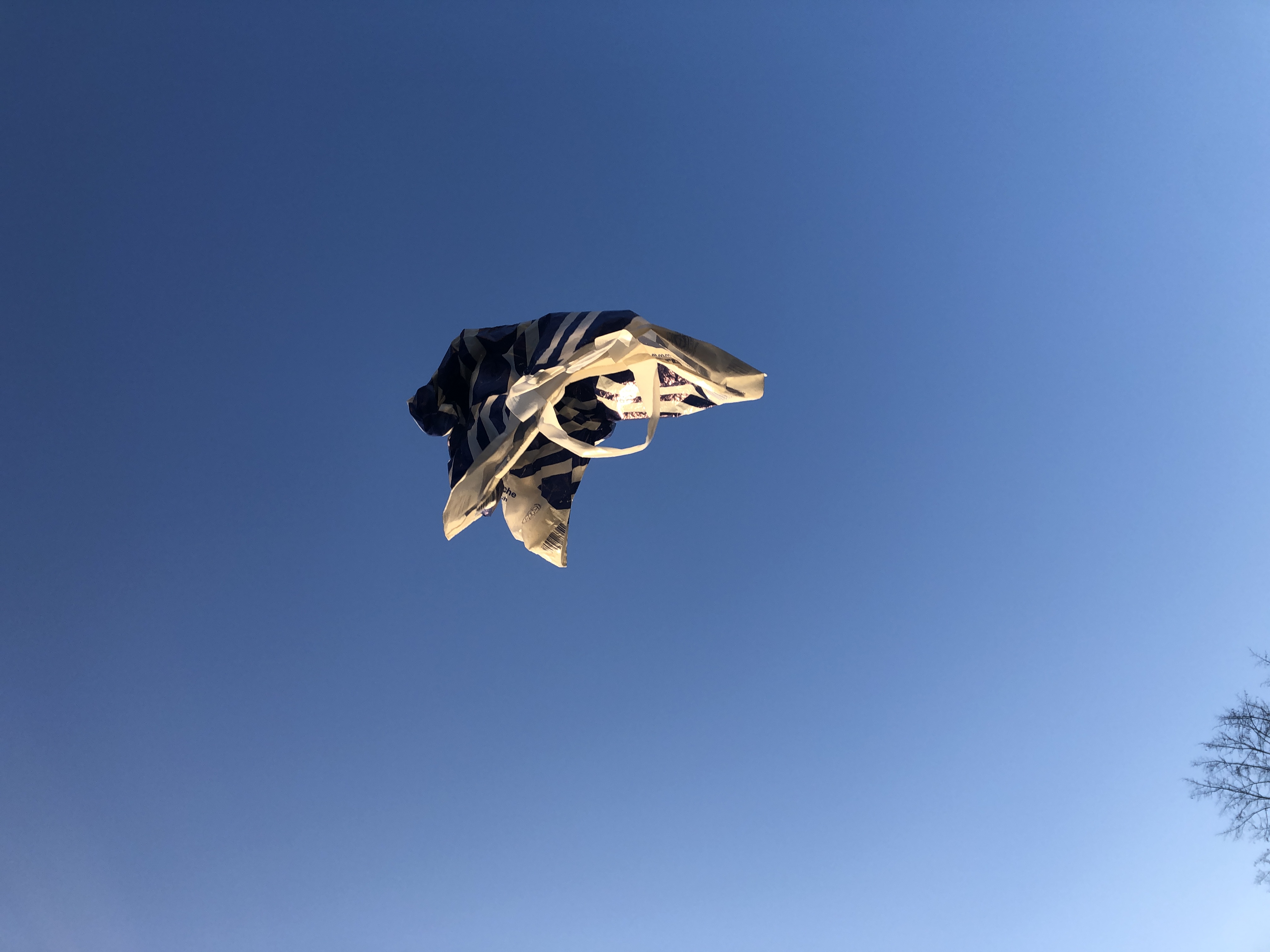
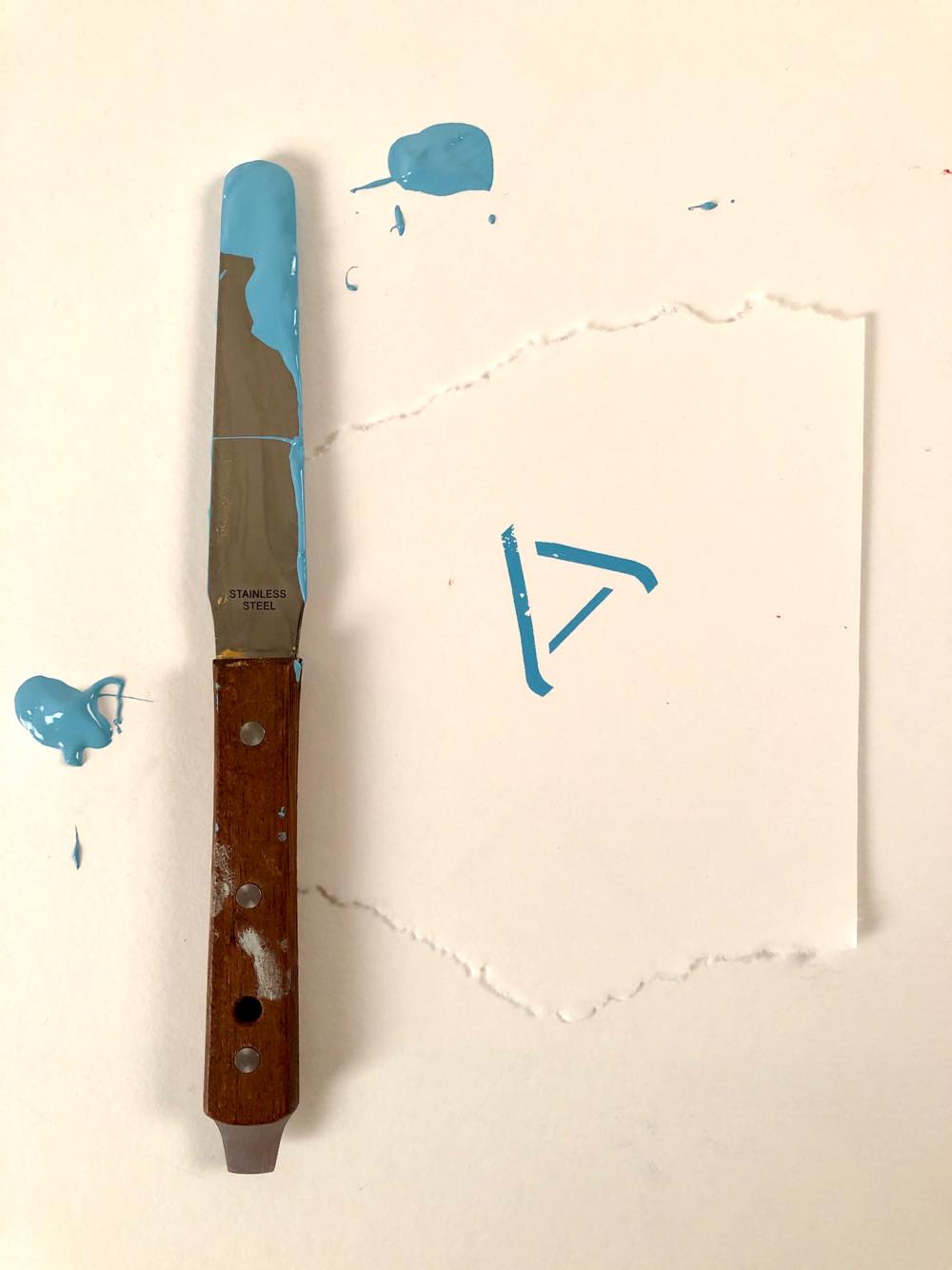
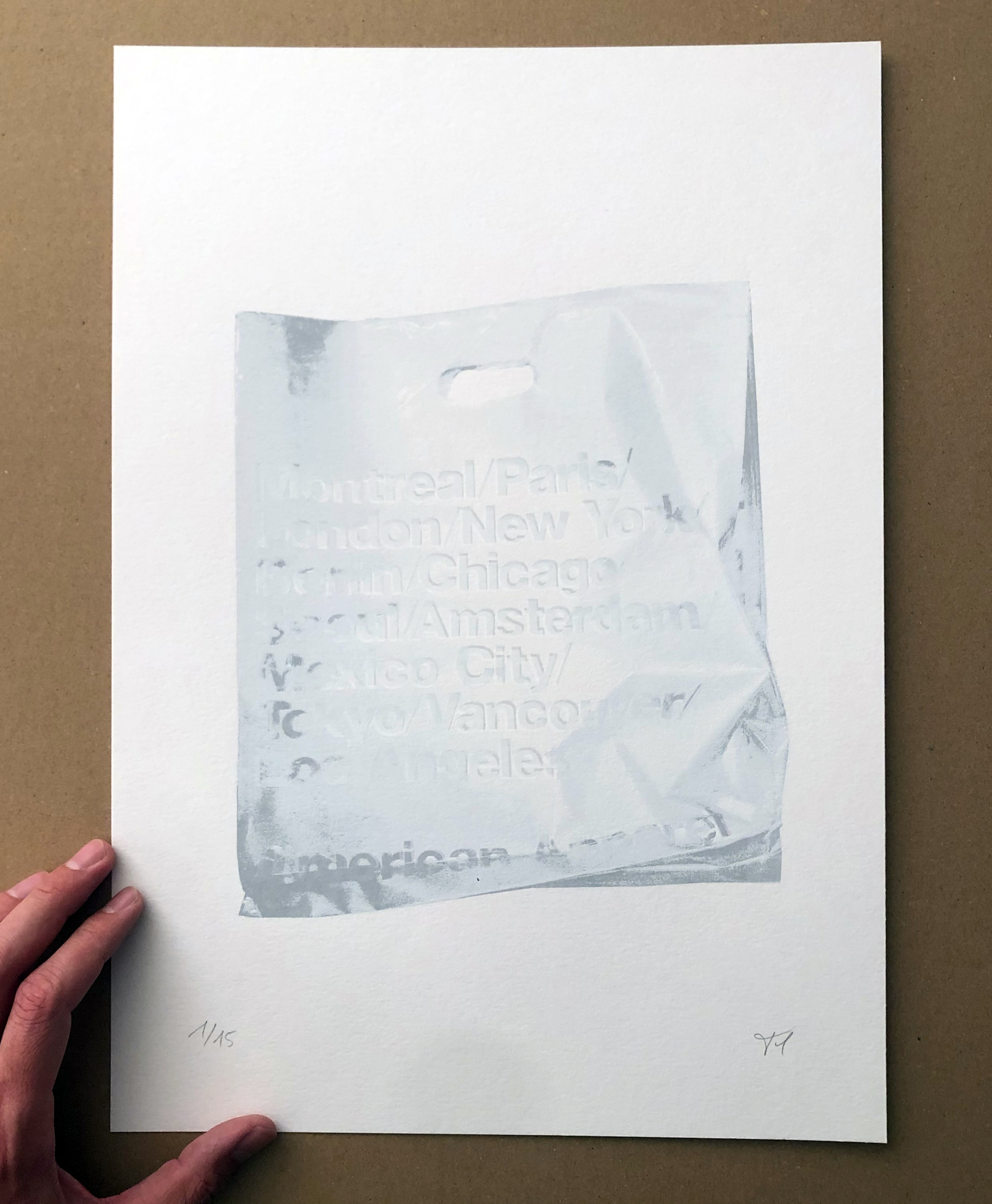
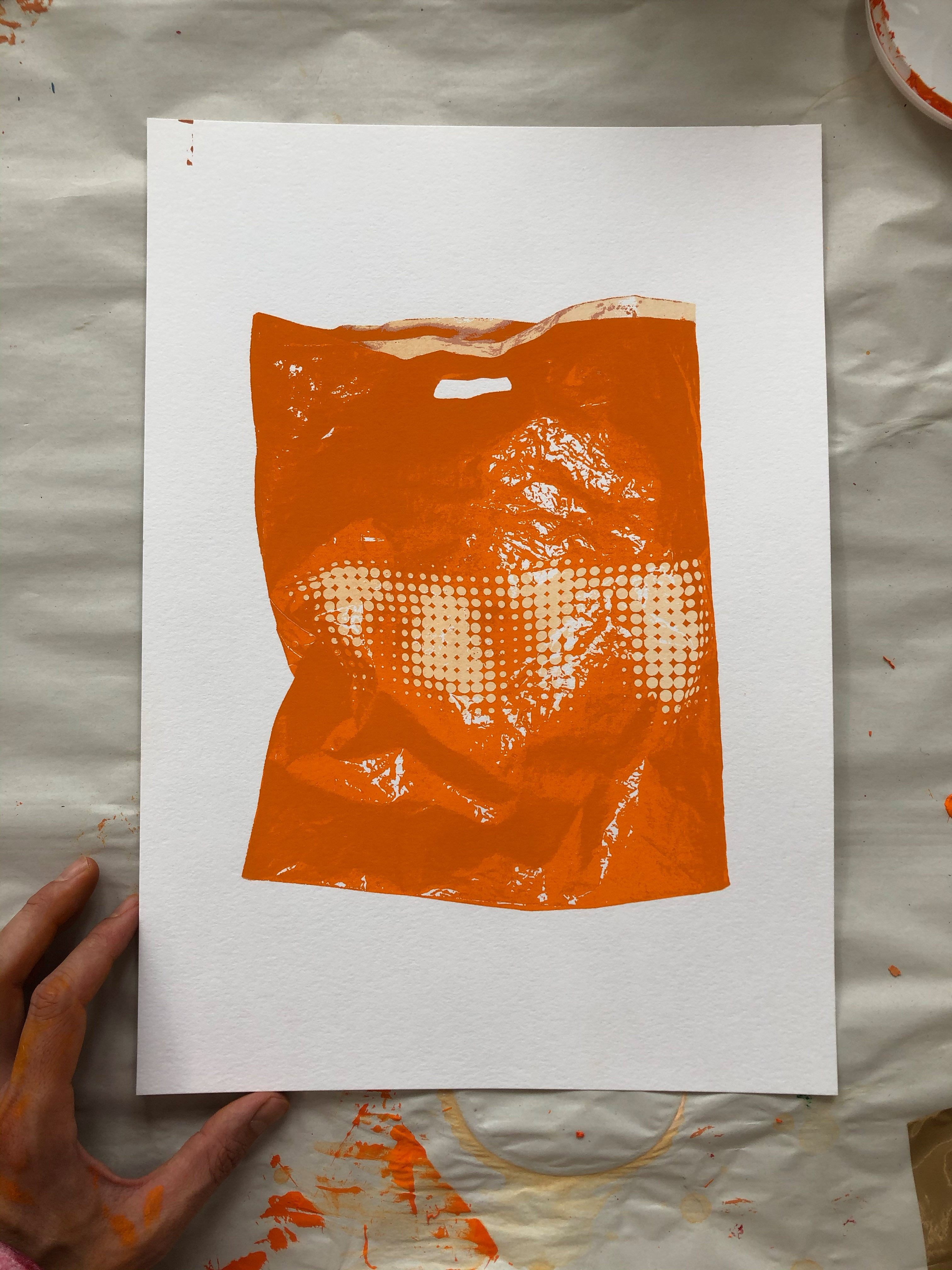
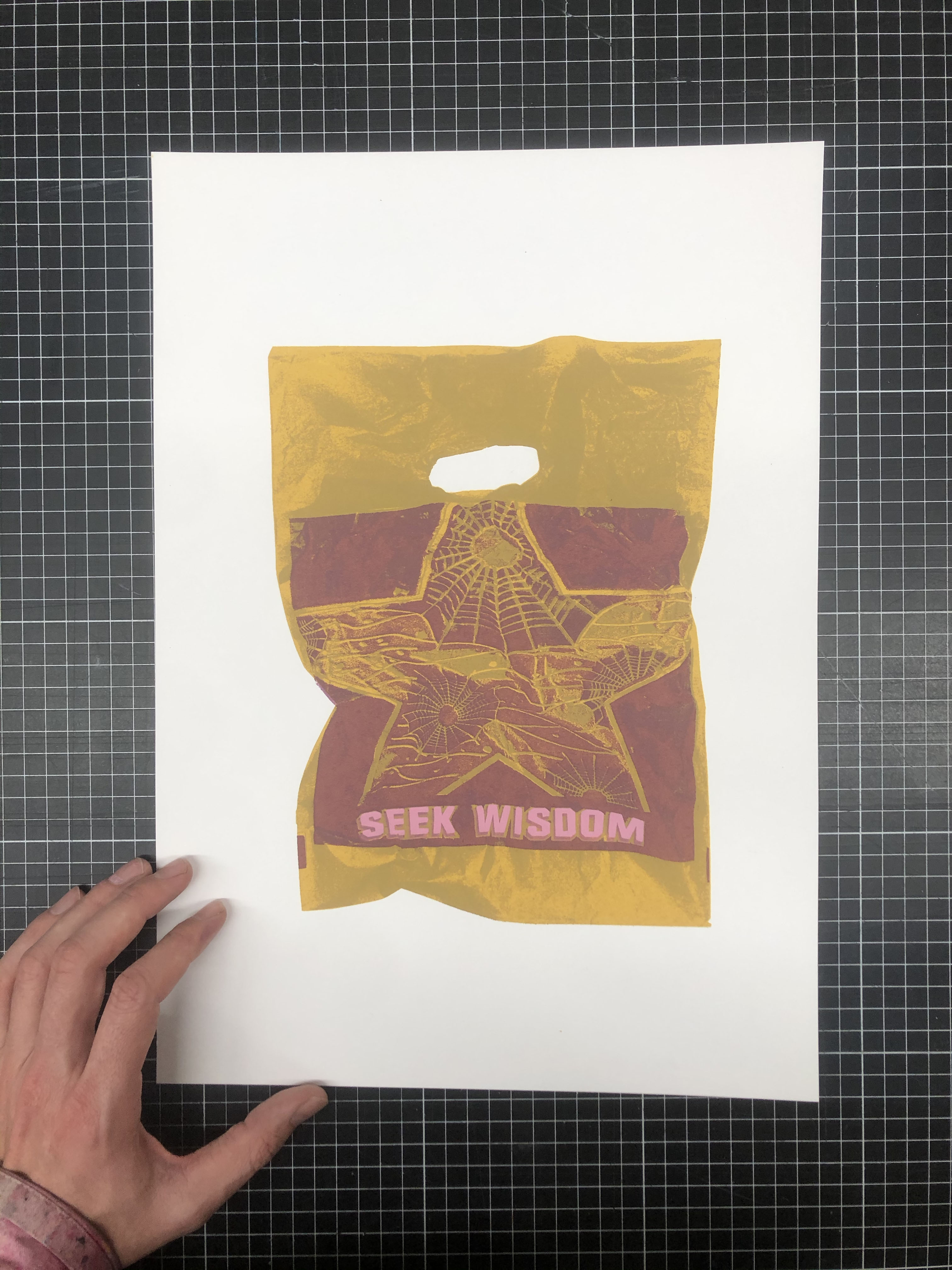
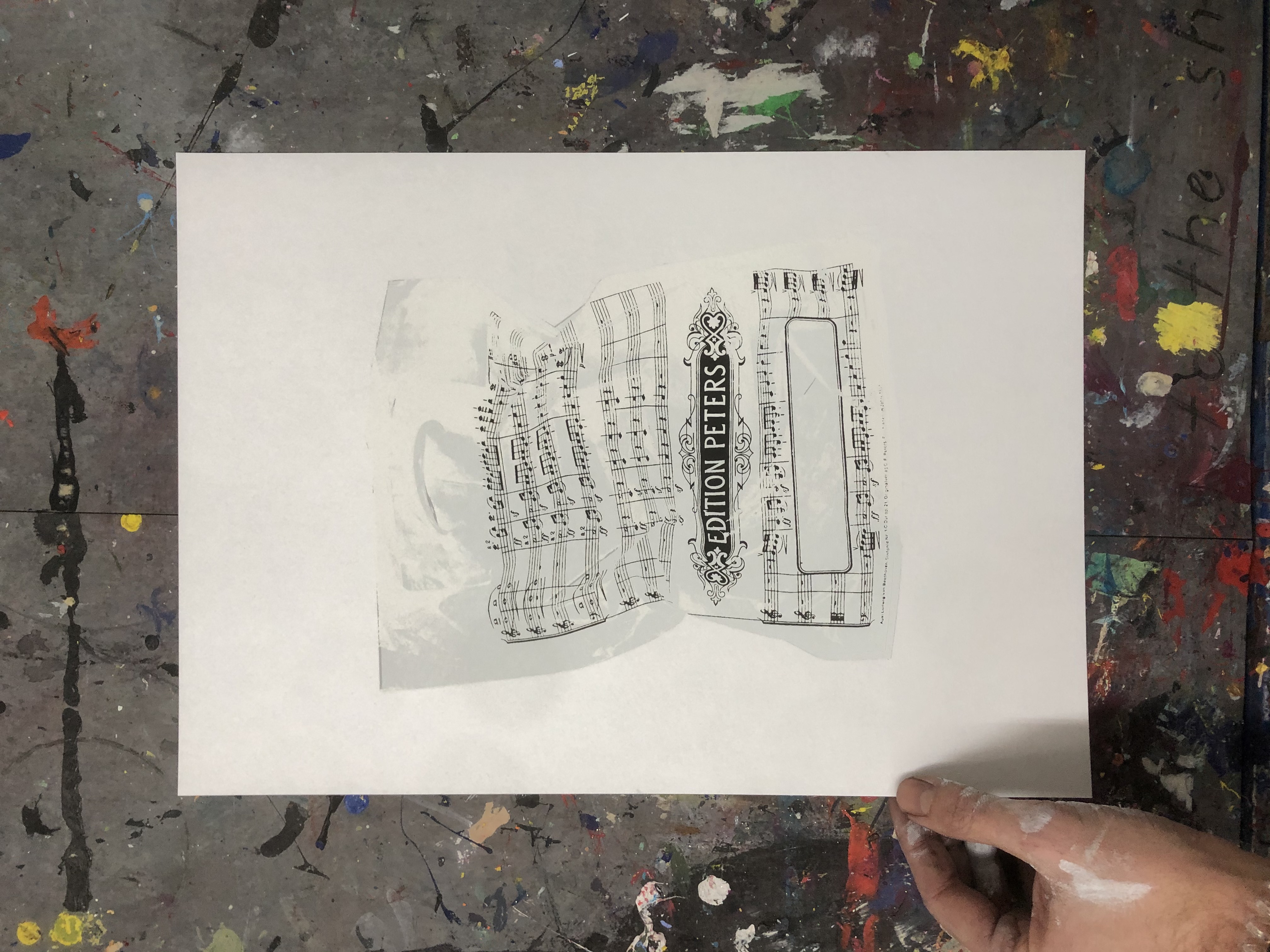
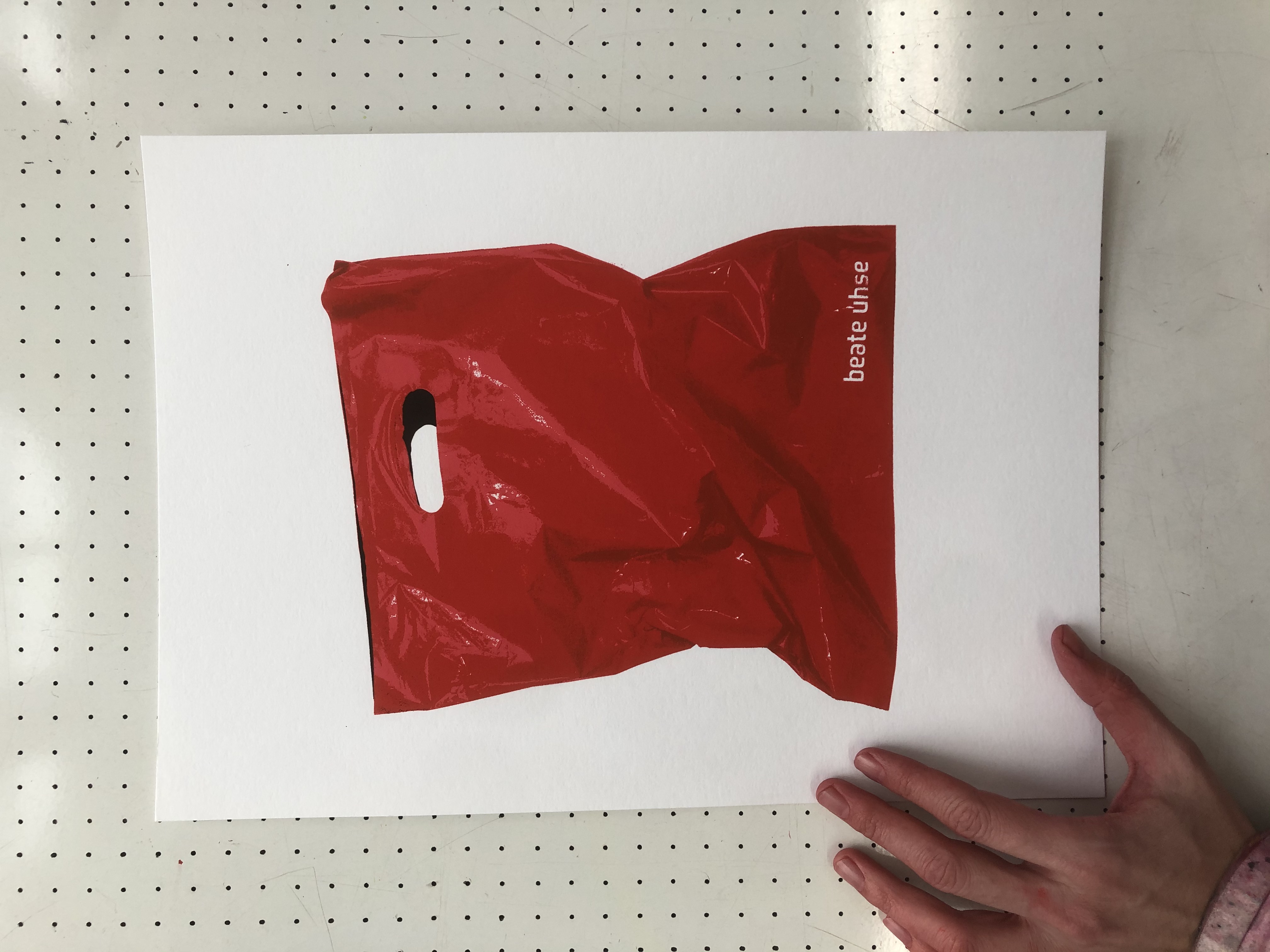
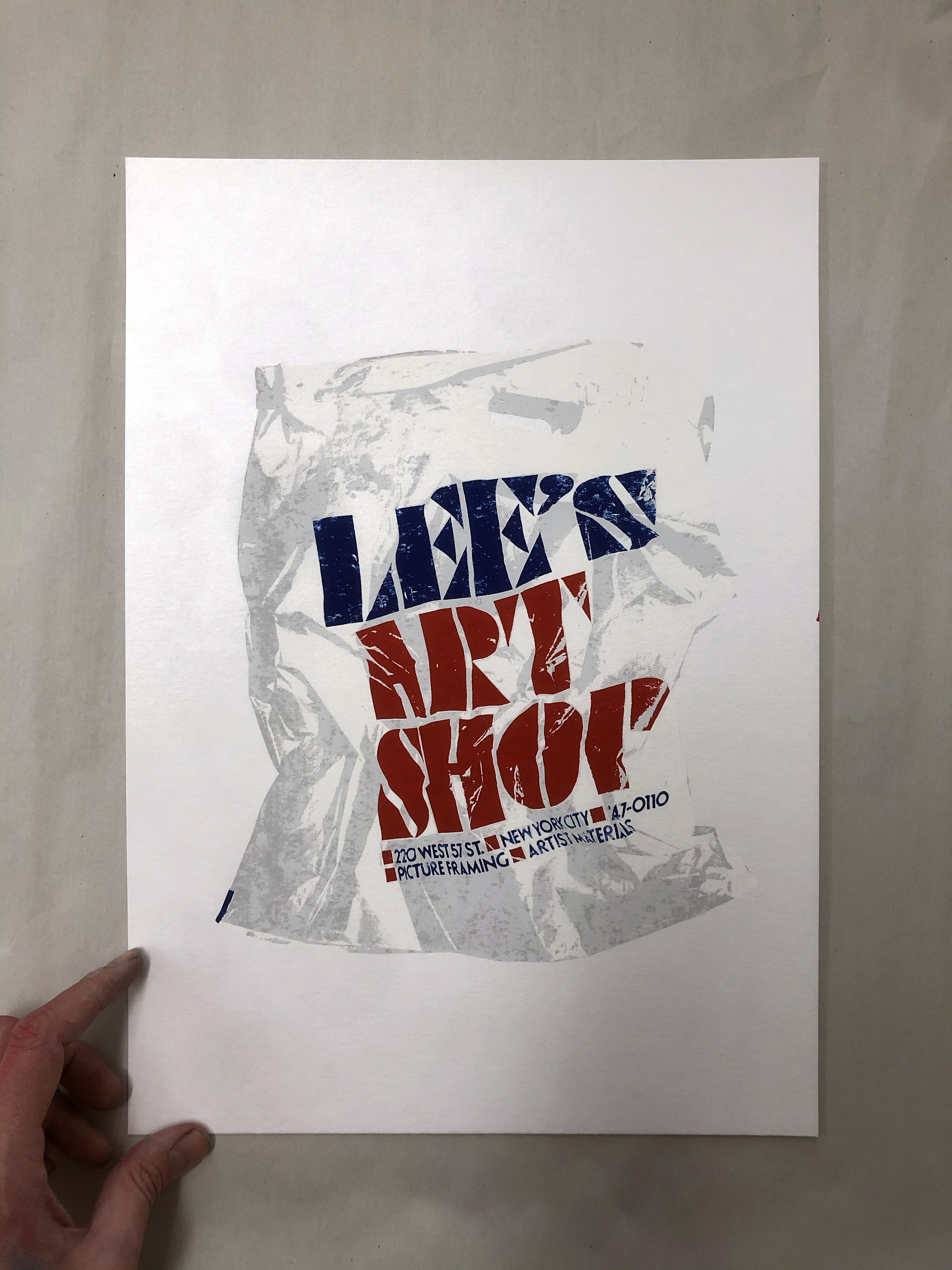
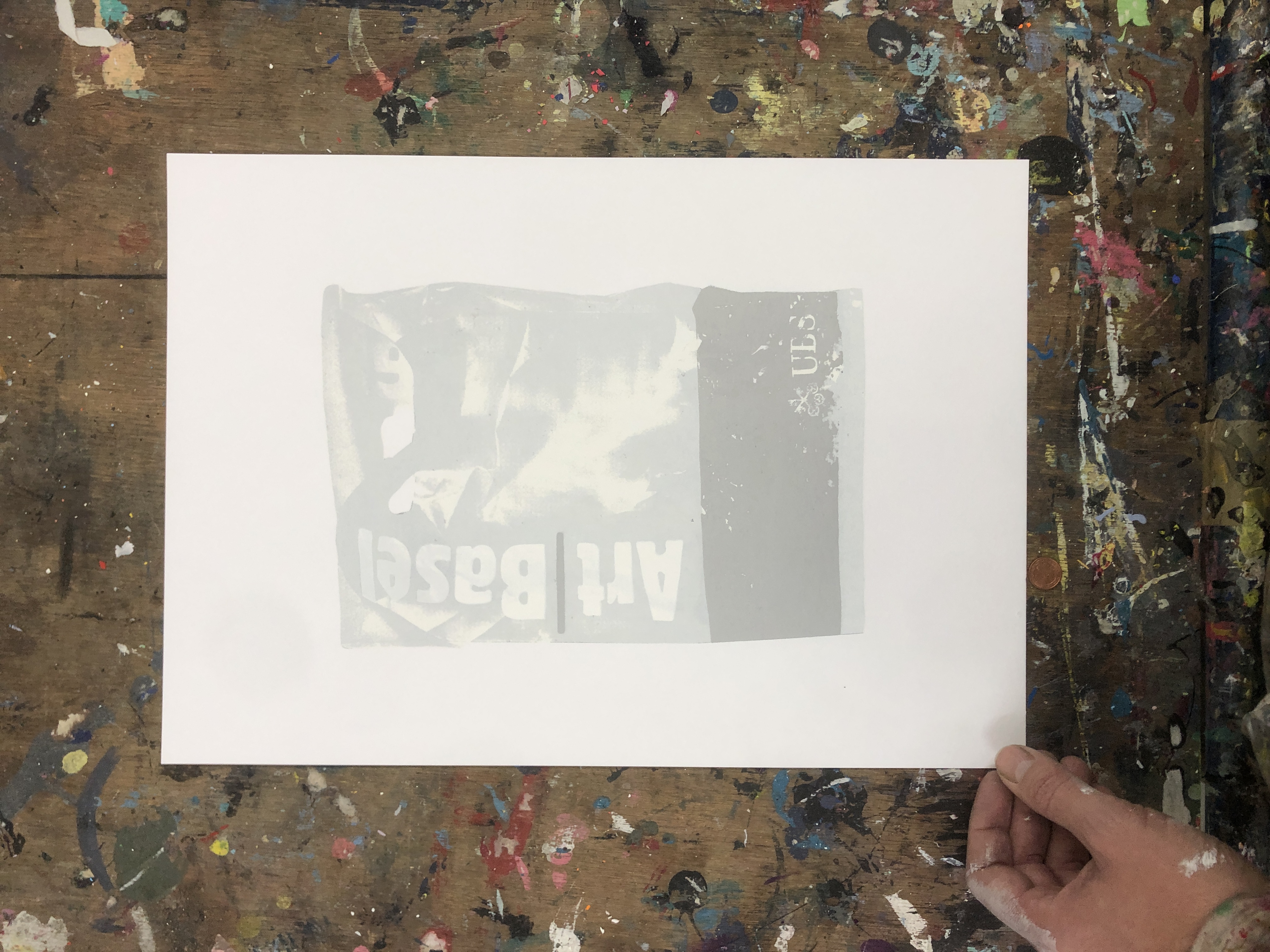
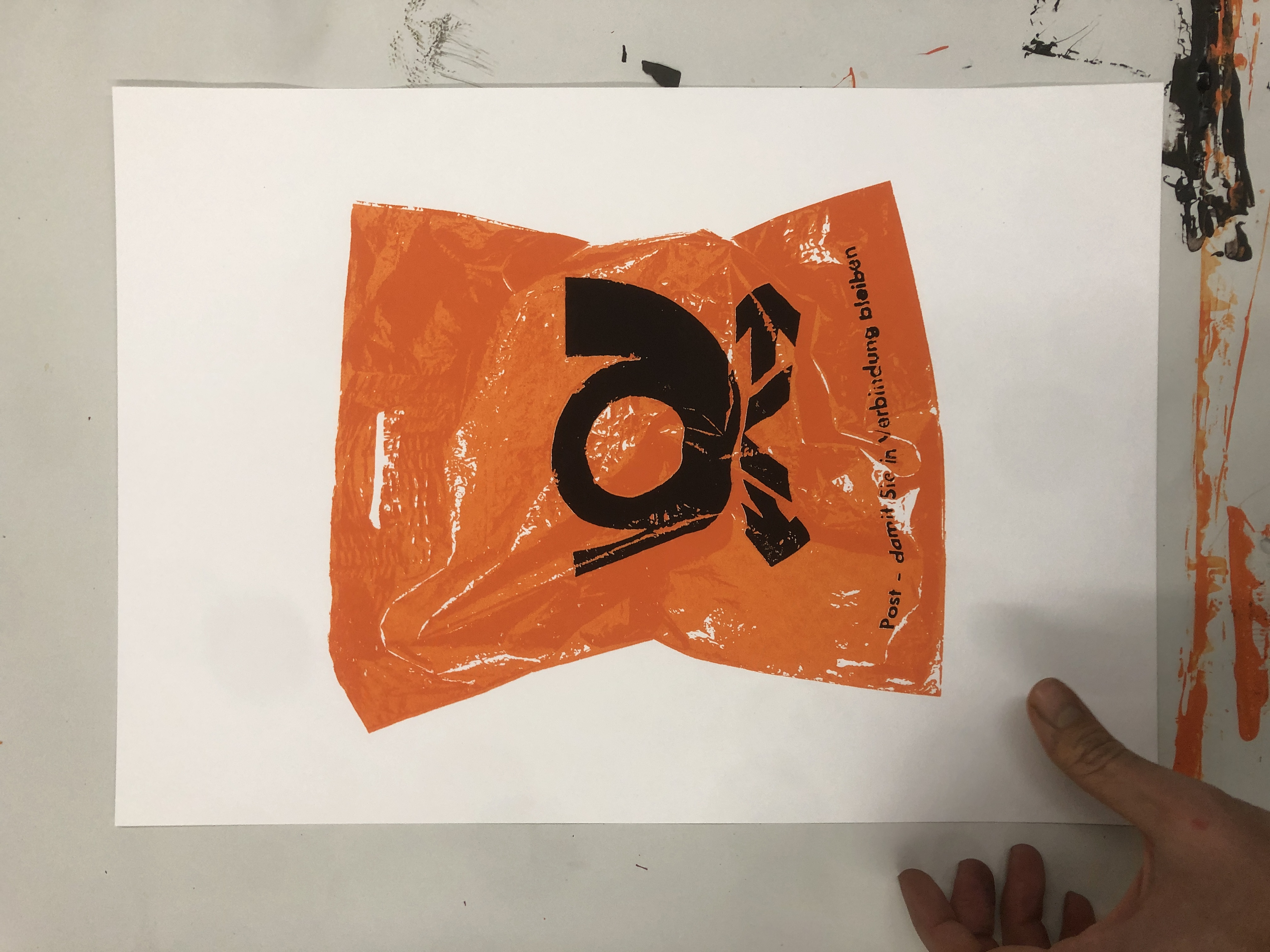
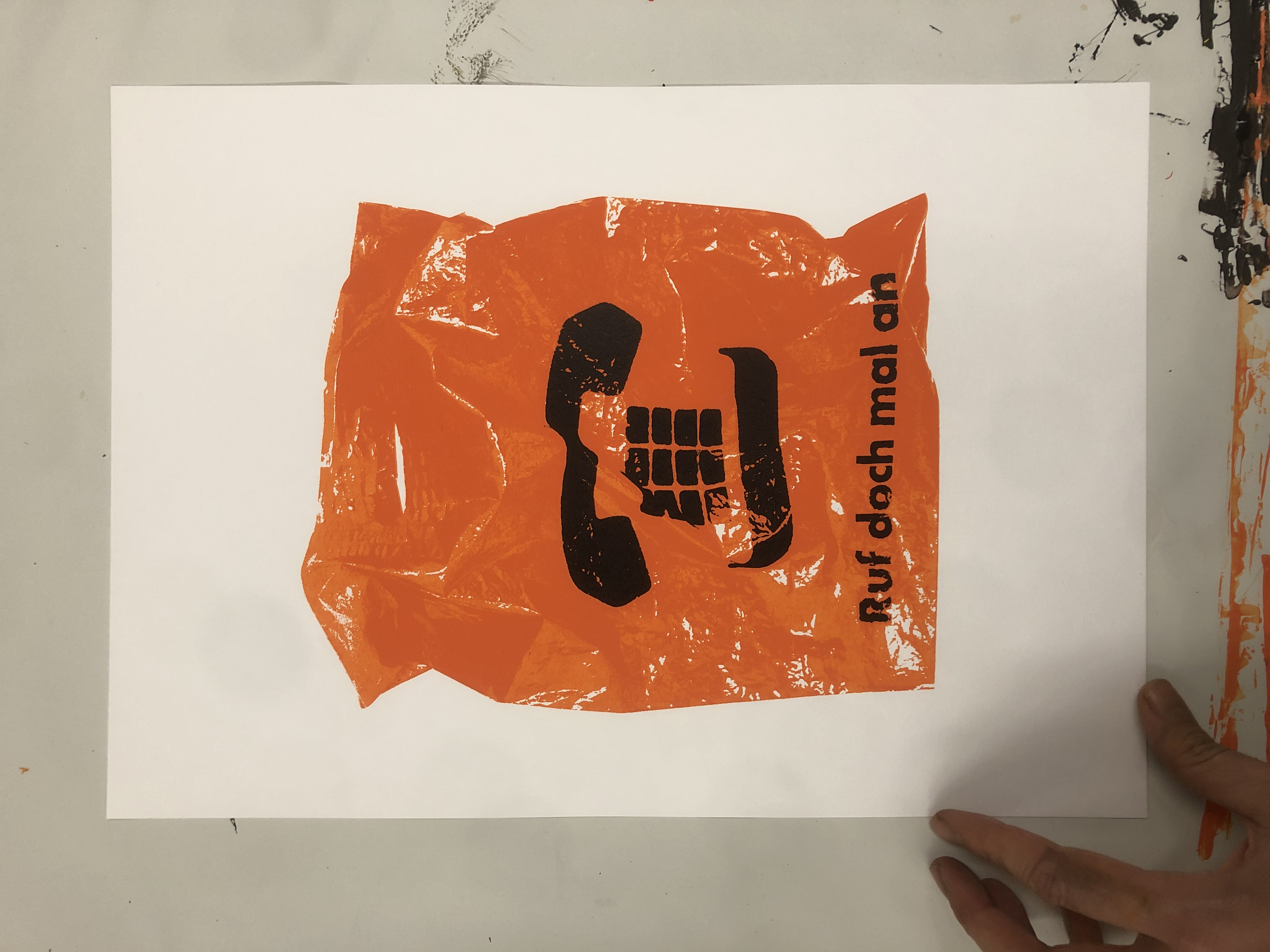
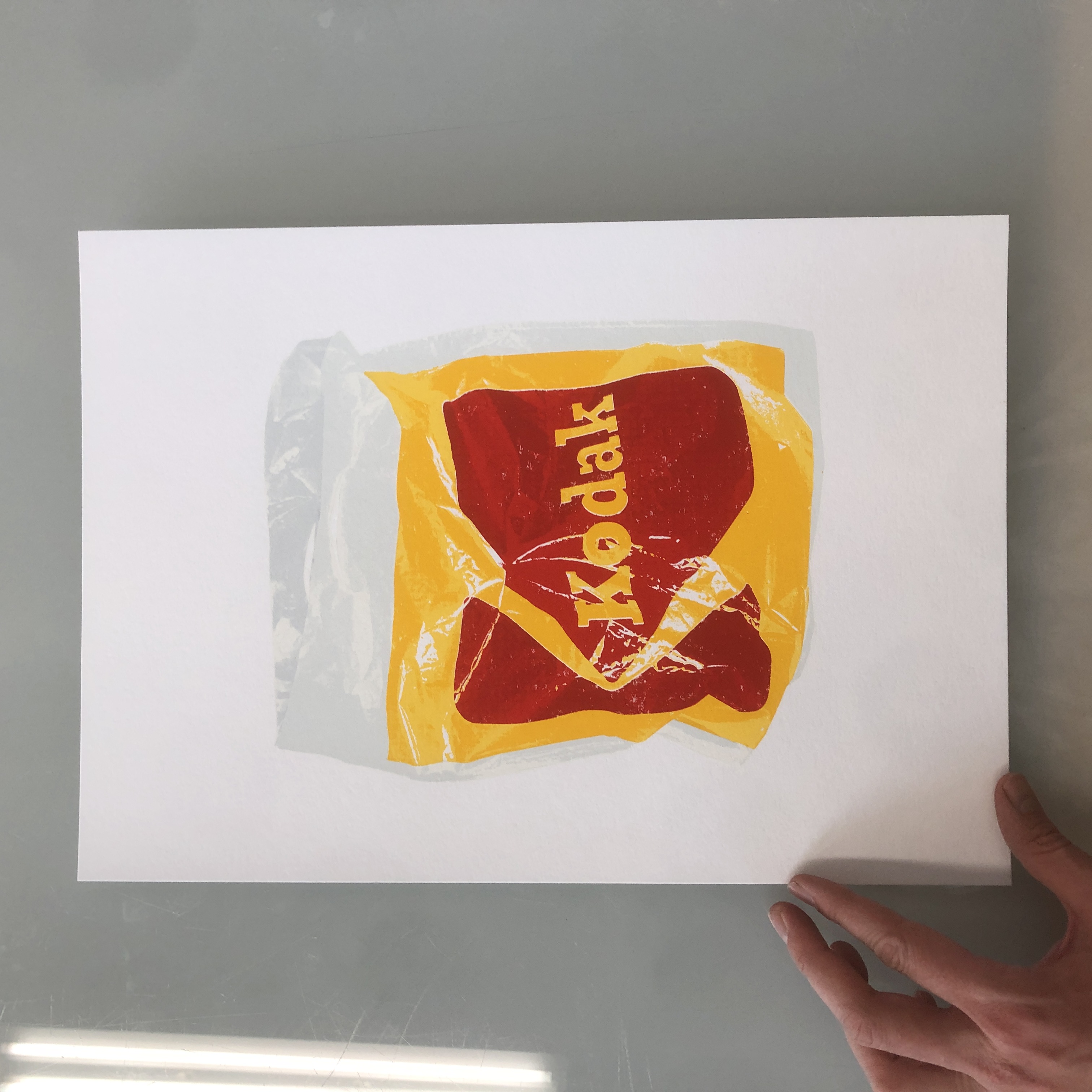
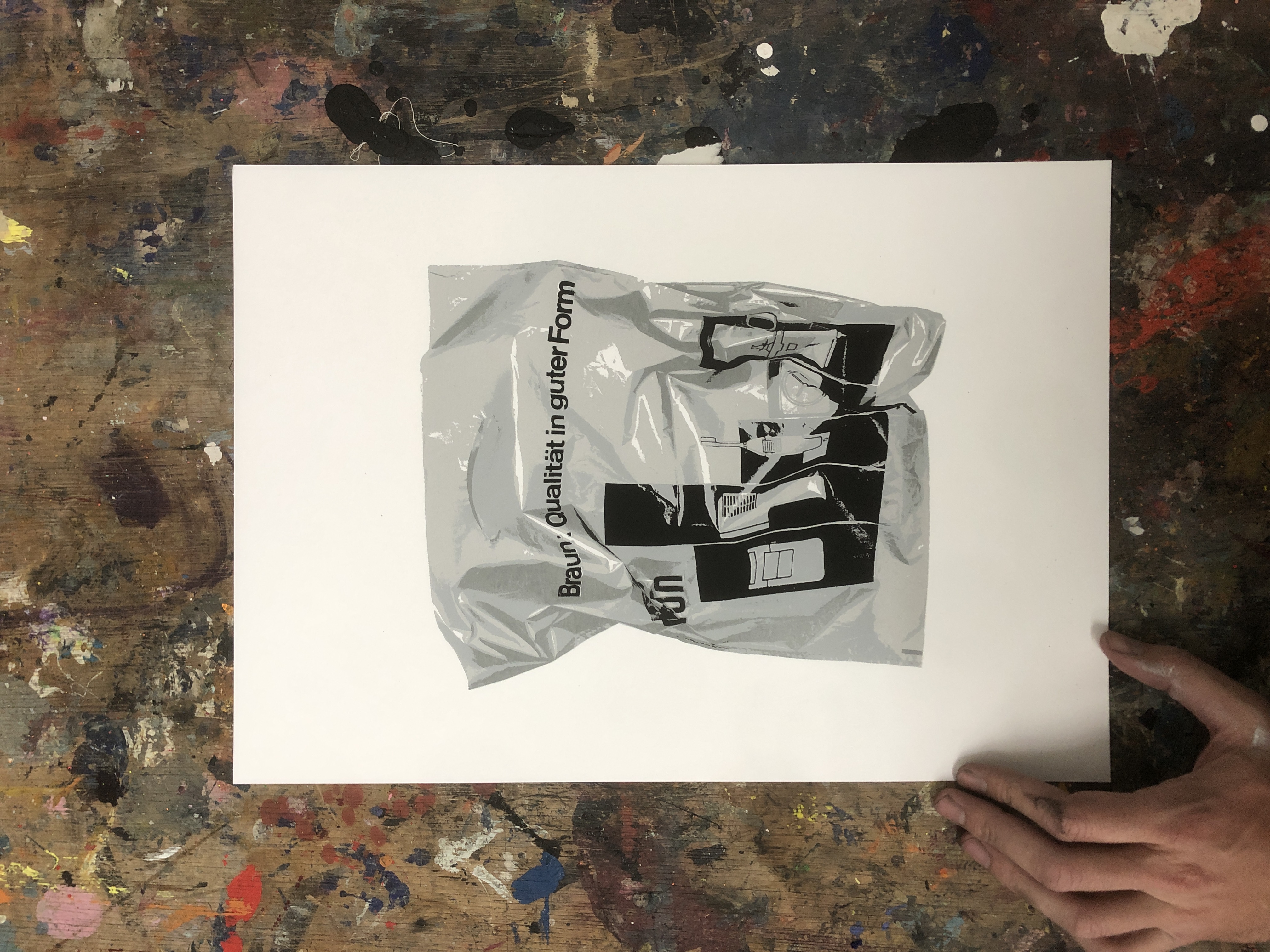
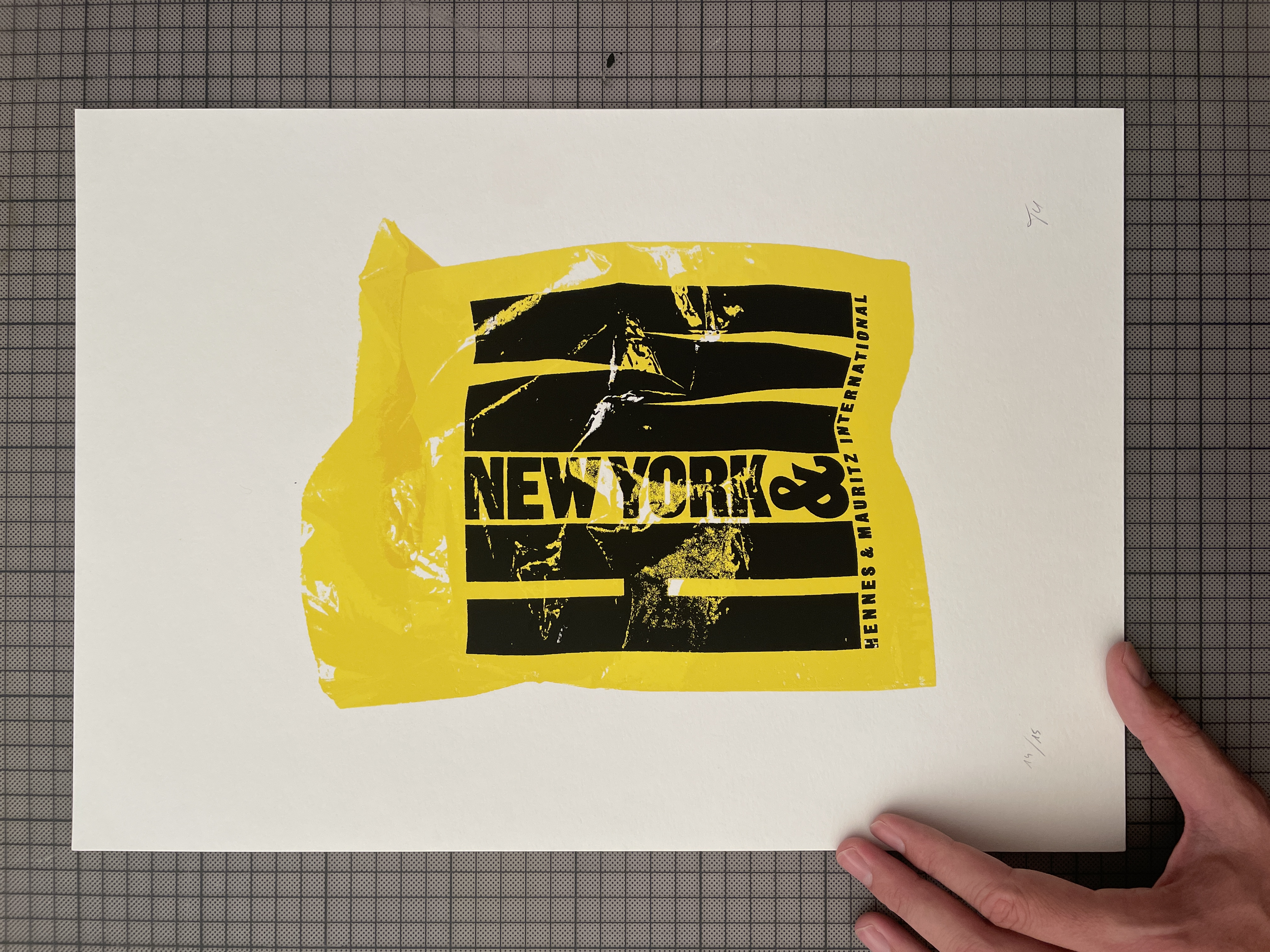
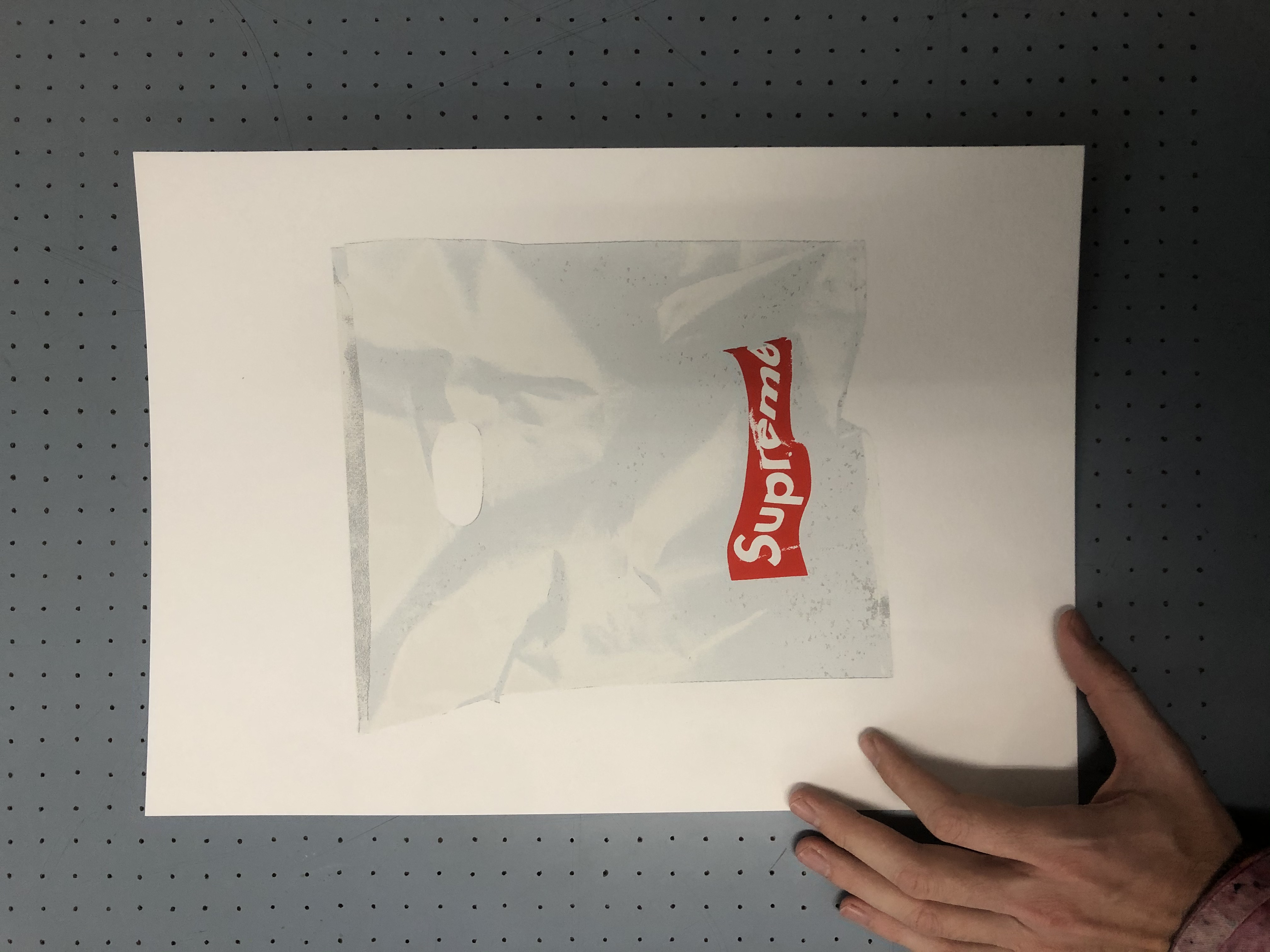
n = 100 (ongoing since 2019) is a long-term series of silkscreen prints based on discarded plastic shopping bags collected from around the world. Each bag is reproduced as a unique print, transforming an ephemeral object of everyday consumption into a permanent visual record.
The title refers to the statistical notation n, denoting a representative sample size in scientific research. By limiting the project to one hundred bags, the series proposes a cross-section of global consumer culture rather than an exhaustive archive. International corporations, regional supermarkets, luxury brands, and anonymous local retailers coexist within the work, revealing the visual language through which commerce shapes everyday experience across cultures.
While plastic bags are designed as disposable objects, they often become unexpected souvenirs. Carried home from journeys, preserved after memorable purchases, or kept as practical reminders of a particular place, they quietly record personal encounters with cities, countries, and cultures. Like postcards or ticket stubs, they bear witness to movement, memory, and the rituals of travel. In n = 100, these humble objects are elevated from transient packaging to cultural artifacts, each carrying both an individual biography and a broader narrative of globalization.
Drawing on the traditions of the readymade, Pop Art, and Conceptual Art, the series explores the intersection of design, branding, and material culture. Removed from their original function and translated into the language of silkscreen—a medium historically associated with both commercial reproduction and artistic practice—the bags become portraits of economic systems, cultural identities, and patterns of exchange. Their folds, traces of wear, and signs of use preserve the evidence of lived experience while reflecting the environmental consequences of contemporary consumption.
The series begins with the iconic Aldi shopping bag, designed in the early 1970s by the German artist Günter Fruhtrunk (1923–1982). Often described as Germany's "most famous unknown artwork," the bag demonstrates how modernist abstraction entered everyday life through commercial design. Its inclusion establishes the conceptual framework of the project: an exploration of the fluid boundaries between art, design, commerce, and daily experience.
As an evolving body of work, n = 100 functions simultaneously as an archive, a collection of contemporary relics, and a meditation on the objects that accompany us through our lives. By preserving plastic bags in the enduring medium of silkscreen, the series asks how value is assigned to everyday things and how seemingly insignificant objects can become carriers of memory, place, and collective cultural history.
COPYRIGHT TOBIAS MOLITOR & MOLITORSTUDIO 2015 to 2026